

Tips For Emergency Patio Door Repair
The doors on your property are essential for security, weather resistance, and energy efficiency. If they are damaged, it's important to address the problem right as soon as possible.
Here's where emergency repair of patio doors comes in. However, not every damage to a patio door is urgent. A door that does not slide smoothly, for example might just need to be cleaned.
Frame or Glass Damage
Sliding glass doors are practical and attractive, but they can cause damage over time. If you're facing tiny cracks or a broken panel, it's important to have your patio door repaired as soon as you can to limit the damage and prevent water leaks that can lead to mold, pest infestations and structural issues within your home.
The specialist in sliding door repair will typically use an easy test using the help of a hose to detect leaks. However this isn't the only indicators that you require urgent repairs to your patio door. If your sliding doors appear difficult to open, this could be due to misaligned rollers or a damaged track that's not properly aligned with the frame of the door. Your O'Brien(r) Glazier will suggest that you fix the track or put in new weatherstripping to ensure your door is aligned and secure.
The most common issue with sliding doors is that the handles can become loose, or even break. This is typically due to wear and tear, primarily from repeatedly slamming the door or opening and closing it vigorously. This kind of damage can be corrected by replacing the handle. However, it's important to contact a O'Brien(r) Glazier right away if you notice any problems.
A broken or cracked piece of glass can pose an attack on your security and could have a significant impact on your home's efficiency. A high-quality glass replacement will increase the seal of your door, minimizing air leaks, and safeguard your home from unwanted burglaries.
Doors that slide are usually constructed using tempered glass which is designed to break into marble-sized pieces, rather than larger pieces of glass. This type of glass also is more resistant to scratches and stains than untreated glass. If however, your glass has been scratched or stained, it's important to contact an O'Brien(r) glasser as quickly as possible so that the damage can be cleared quickly and efficiently. Your expert may recommend that you seal your windows and doors with silicone caulk to avoid further damage.
Damage to the Track
To avoid underlying issues and prevent any damage visible to the track of the door must be repaired immediately. Jerky movements and uneven gaps between tracks could indicate an issue with the door's alignment or an issue with the component, which could result in costly replacement costs down the line if left unattended. Straighten bent track sections with the help of a hammer, a piece of wood, and blocks. To prevent the track from shifting out of alignment, tighten the mounting brackets with a socket set or wrench.
A common issue with patio doors is water leaks from the sliding door, particularly in the aftermath of a heavy rainfall. If you notice the water pooling under your patio door or spots of dampness around its frame, you can use the garden hose to wash the track and the surrounding area. If not, you should get a professional to fix the issue. If More suggestions become more severe, you may require replacing your patio door. The good news is, most of these issues can be resolved with the assistance of an expert.
Damage to the Lock
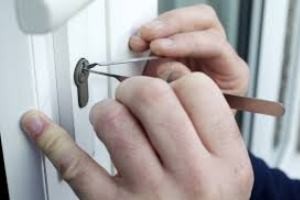
A malfunctioning lock is a serious security concern. If it's caused by a loose latch, broken key, or a worn-out locking mechanism, the problem needs to be addressed promptly in order to avoid further damage and ensure the security of your home. There are many solutions to the problem.
It is first important to determine the type of lock currently in use on your patio door. You'll need to make some measurements. The width of the lock is the most crucial measurement. You can measure this using an instrument for measuring or ruler. Also, you must examine the shape of the end plate. This will help you pick a lock replacement that will fit perfectly. You can snap a picture with a digital device to determine the keyway. This will allow you to communicate the exact information of your existing lock to a dealer and ensure that they supply you with the appropriate replacement.
Once you have the tools and materials that you require, you can begin the repair. Begin by inspecting the patio door for indications of damage or tampering. You may need to tighten screws or move the latch. If the lock is broken, you'll need to replace it.
It is crucial to ensure whether the lock functions properly after the repair. Close and open the patio door a few times to see if there is any resistance. You can be assured that your patio door will remain safe in the event that the lock is operating properly.
Regular inspections can help detect problems early and prevent them from causing major damage. If you have noticed any issues with your lock, it is recommended that you contact an expert for repairs or replacement. A technician with the appropriate credentials will be able to resolve any issues you might have with your patio door, and restore its full functionality. Technicians can also provide maintenance tips to help keep your patio doors in good order.
Hardware Damage
Hardware issues are often the cause of a door that is difficult to open or close. This is usually an easy fix, such as cleaning the track or tightening the screws. In other situations it may be necessary to replace rollers or sensors.
If your sliding door is equipped with a screen, a torn one could prevent you from closing or opening the patio door. This can be frustrating and dangerous in the situation of an emergency.
The REAC inspection guide explains that all doors should have a protective finish. This includes paint or gloss. If a door doesn't have a protective finish it is deemed as a defect and Surface Damage. In this case, the REAC inspector would likely cite both Surface and Hardware Damage.